
Recipe
This homemade pie crust is the flaky, buttery masterpiece you’ve been searching for—trust me, it’s a game-changer. I’ve made this recipe countless times, and it never fails to impress. What sets it apart? Simple, high-quality ingredients and a foolproof technique that guarantees perfect results every time.
With just flour, butter, a pinch of salt, and a splash of ice water, you’ll create a crust that’s tender, golden, and melts in your mouth. Whether you’re baking a sweet fruit pie or a savory quiche, this crust is your foundation for culinary magic.
Picture it: crisp layers shattering into rich, buttery goodness with every bite. Don’t let the idea of homemade pastry intimidate you—this recipe is approachable, forgiving, and absolutely worth the effort. Once you try it, you’ll never go back to store-bought again.
Ingredients
For a flaky, tender pie crust, the right ingredients are key. Using cold butter and ice water is non-negotiable—they keep the dough from becoming tough and guarantee those coveted layers. While all-purpose flour is standard, swapping in a bit of cake flour can make the crust even more delicate.
Here’s what you’ll need:
- All-purpose flour: The backbone of the crust. For extra tenderness, you can replace 1-2 tablespoons with cake flour.
- Unsalted butter, cold: Keeps the dough flaky. If you only have salted butter, reduce the added salt by half.
- Salt: Enhances flavor. Don’t skip it!
- Granulated sugar: Just a touch adds a hint of sweetness without overpowering.
- Ice water: Cold water keeps the butter from melting prematurely, which is essential for flakiness.
- Vinegar (optional): Adds tenderness and prevents overworking the dough. White or apple cider vinegar both work.
For a golden, glossy finish, an egg wash (1 egg + 1 tbsp milk or cream) can be brushed on before baking. And while store-bought works, homemade is worth the effort for that perfect, buttery crunch.
How to Make the Best Flaky Pie Crust Instructions

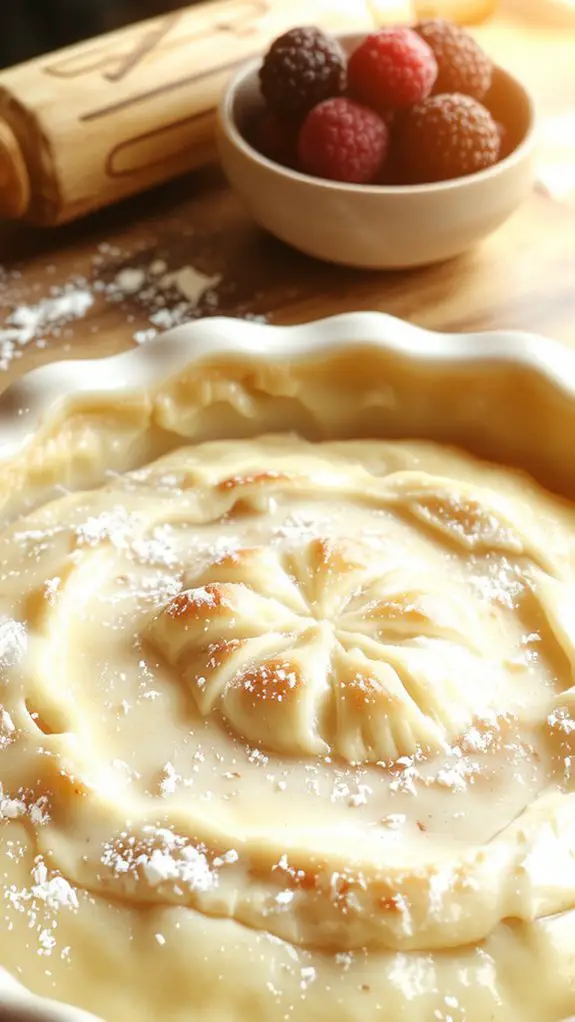
-Carefully transfer the dough to your pie dish by rolling it onto the rolling pin and unrolling it over the dish. Gently press it into the corners and trim any excess dough, leaving a 1-inch overhang. If the dough tears, patch it with scraps—it’ll bake together seamlessly.
-For a single-crust pie, fold the overhang under itself to create a thicker edge and crimp as desired. For a double-crust pie, add your filling, top with the second rolled-out crust, and seal the edges. Crimping not only looks pretty but also helps prevent the filling from leaking.
-If your recipe calls for a pre-baked crust, chill the shaped crust in the freezer for 15 minutes before baking. Dock the bottom with a fork and use pie weights or dried beans to prevent puffing. Pre-baking guarantees a crisp bottom, especially for custard or no-bake fillings.
-Bake according to your recipe’s instructions, keeping an eye on the crust’s color. It should be golden brown and flaky when done. If the edges brown too quickly, cover them with foil to prevent burning. Let the crust cool slightly before adding any fillings.
Nutrition
A homemade pie crust provides essential nutrients and energy.
Here’s the nutritional breakdown per serving:
Calories: 140
Fat: 9g
Carbohydrates: 13g
Protein: 2g
Sodium: 150mg
Sugar: 0g
Fiber: 0g
Chef Tips
Now that we’ve covered the nutritional aspects, let’s talk about how to make the perfect pie crust. I always keep my ingredients cold—it’s key for flakiness. Don’t overwork the dough; handle it gently to avoid toughness.
I use a mix of butter and shortening for texture and flavor. Rest the dough in the fridge before rolling, and blind bake if the filling’s wet. It’s worth the effort!
Frequently Asked Questions
Can I Freeze Homemade Pie Crust Dough?
Yes, I can freeze homemade pie crust dough. I’d wrap it tightly in plastic wrap or place it in a freezer bag, then thaw it overnight in the fridge before rolling it out for baking.
How Long Does Homemade Pie Crust Last in the Fridge?
I’ll keep homemade pie crust dough fresh in the fridge for about two to three days if I wrap it tightly in plastic wrap or store it in an airtight container. Beyond that, it might start to spoil.
Can I Use Margarine Instead of Butter?
I can use margarine instead of butter, but it won’t taste as rich. Margarine has more water, so the crust might be less flaky. I’d stick with butter if I want the best texture and flavor.
Why Does My Pie Crust Shrink When Baking?
Your pie crust shrinks because it’s overworked or stretched when shaping the dough. I’ve found that if I handle it gently, chill it before baking, and avoid stretching it in the pan, it stays perfectly in place.
Can I Make Pie Crust Gluten-Free?
Yes, I can make pie crust gluten-free by using alternatives like almond flour, rice flour, or a gluten-free baking blend. I’ll need to adjust the liquid slightly to achieve the right texture for rolling.